Start with the official premise
Match the full Steam title and read the store description. It confirms the new-shepherd role, missing animals, strange villagers, and the broad promise of a frightening truth.
First-party factSpoiler-aware story guide
Scary Game 2: The Mad Shepherd begins with a missing-flock mystery and a village that does not behave normally. This guide explains the verified premise, how to read environmental clues, what can be discussed without spoilers, and where confirmed ending information belongs.
Checked 2026-10-09 against the official Steam listing and the site's existing walkthrough, gameplay, and ending notes. This fan page separates verified premise from interpretation.
The clearest starting point is the official premise: you are the new shepherd on a first day in a village where animals are missing, villagers are strange, and the truth is more frightening than the job suggests. This Scary Game 2 story explained guide treats that premise as an investigation rather than a single exposition dump.
The Steam description frames the first day around missing animals and a village that feels wrong.
The role gives the story a practical reason to explore barns, paths, homes, and village landmarks.
Questions about the flock lead into environmental clues, locked spaces, and unsettling encounters.
Ordinary work details and absurd images sit beside threat cues, making the mystery feel deliberately off-balance.
Use the official listing for the premise and current build gameplay for exact plot, character, or ending claims.
This page stays on setup, clue reading, and interpretation. Confirmed branch details belong on the endings guide.
Scary Game 2: The Mad Shepherd uses a simple working assignment as the doorway into horror. The official Steam description places the player on a first day as a new shepherd. The animals are missing, the villagers are strange, and the truth is presented as something more frightening than an ordinary lost-flock problem. That setup gives the game a clear question without giving away every answer: what happened to the animals, why does the village feel staged, and how much of the warning signs can the player trust? This Scary Game 2 story explained page starts with that question instead of pretending to know every answer.
The story is easier to follow when you treat each location as evidence instead of scenery. A gate, note, empty pen, locked room, unusual sound, or repeated symbol can do two jobs at once: it can tell you where to go next and it can change what you think the village is hiding. The existing gameplay and walkthrough pages cover the practical interaction layer. This story page focuses on the meaning of that layer, so readers can connect a clue to the wider premise without turning every observation into a confirmed plot fact.
The Mad Shepherd also plays with contrast. Rural chores, blunt instructions, and familiar buildings create a grounded starting point, while missing animals, unnatural pauses, and sudden audio pressure make the same spaces feel unsafe. The dark comedy is part of the design rather than a separate joke track. When an absurd image appears beside a serious threat, it keeps the player uncertain about whether a moment is a clue, a release of tension, or a deliberate misdirection.
A spoiler-safe explanation should distinguish three layers. First are verified facts, such as the official title and the missing-flock premise. Second are repeatable observations from the release build, such as where a clue appears or how a room changes after an interaction. Third are interpretations, including theories about the villagers, the shepherd's role, or what the village represents. Keeping those layers separate makes the page useful even when a later update, new gameplay recording, or confirmed ending changes the interpretation.
If you want the complete narrative answer, play or read the walkthrough before opening ending discussions. Take notes on the order of discoveries, save before irreversible choices when possible, and return to the endings guide only when you are ready for branch spoilers. The goal is not to make the mystery sound larger than the available evidence. It is to give each clue a place in the investigation and leave uncertain details marked as uncertain.
The live Steam listing is the best first-party reference for the game's full title and opening premise. Use it for current store facts, screenshots, and build context; use this page for a readable, spoiler-aware explanation of how the clues fit together.
Official Steam widget for Scary Game 2: The Mad Shepherd. Store copy and availability can change, so open the live listing for final purchase or update decisions.
Scary Game 2 story searches can mean a premise summary, a puzzle explanation, a complete ending, or a source check. Use the page that matches the question so spoilers stay predictable.
| Question | Best page | Why it stays separate |
|---|---|---|
| What is the Scary Game 2 premise? | Story explained | This page summarizes the missing-flock setup, clue layers, tone, and spoiler boundary. |
| Where do I go next? | Walkthrough | Route order, checkpoints, puzzle notes, and blocked-room help are practical navigation tasks. |
| How do the locks and clues work? | Puzzle or lock guide | Input steps and code checks are easier to follow without mixing them with plot interpretation. |
| What happens at the end? | Endings guide | Final scenes and branch requirements deserve a clear spoiler label and build context. |
| Is The Mad Shepherd the same game? | Identity page | The entity page verifies the title, Steam app, developer, and official source. |
Use this short evidence ladder when a post, video, or comment makes a dramatic claim about the village, the shepherd, or a secret ending.
Match the full Steam title and read the store description. It confirms the new-shepherd role, missing animals, strange villagers, and the broad promise of a frightening truth.
First-party factWrite down the Steam build or check date before treating a room state, line of dialogue, or ending video as permanent. Small horror games can change triggers or text after an update.
Version contextDescribe what appears on screen before explaining what it might mean. A missing object is an observation; a theory about who removed it is an interpretation until the game confirms it.
Claim qualityKeep route and puzzle help in the walkthrough, reserve branch details for the endings guide, and return here when you need the premise or a spoiler-safe reading order.
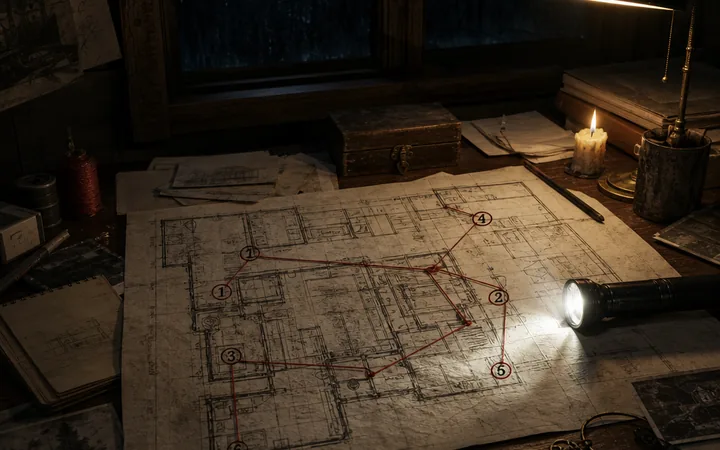
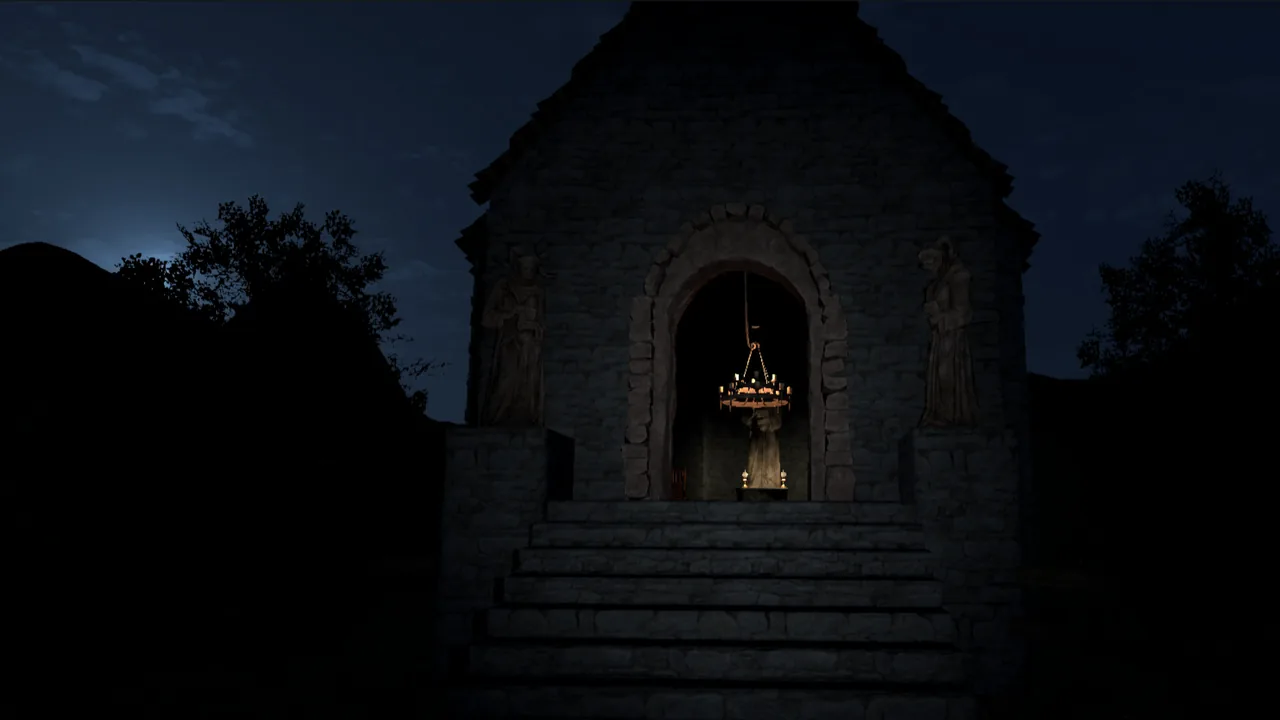
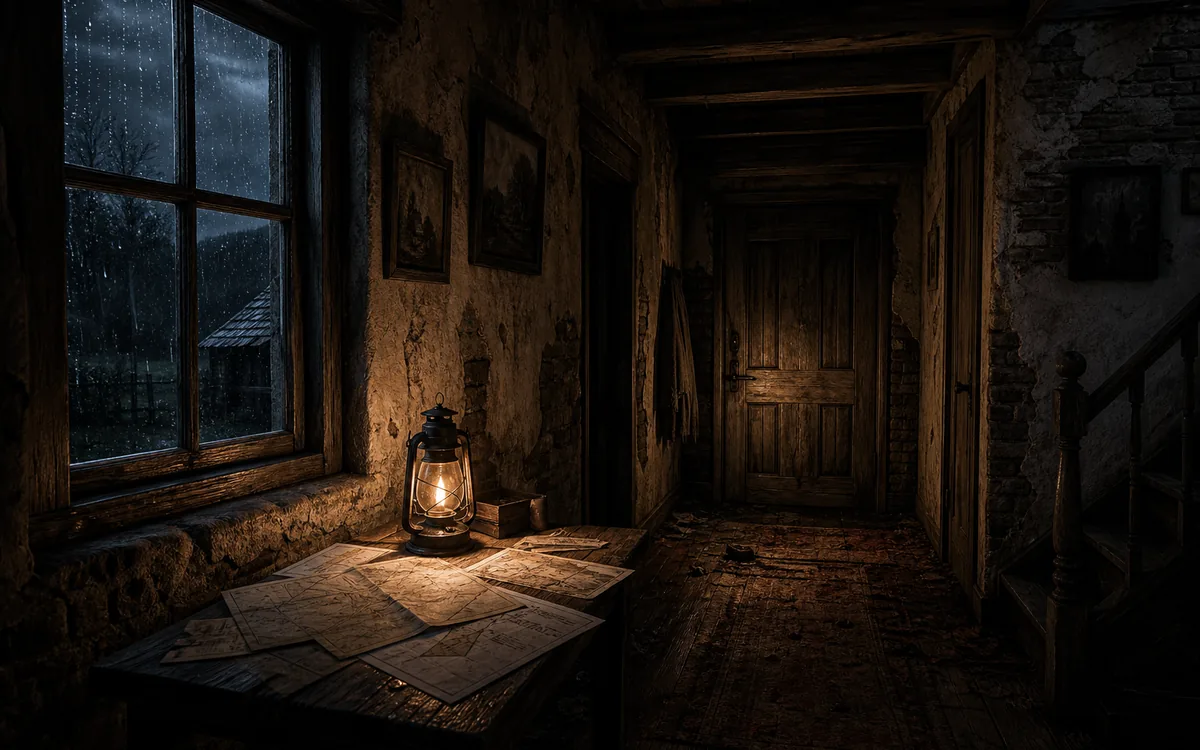
Reader safetyThe page uses verified WebP assets already present in the wiki. They are labeled editorial visuals, not official gameplay screenshots, so the surrounding text remains the source of the story explanation.
Move to the page that matches your next question instead of blending premise, solutions, and endings into one spoiler-heavy list.
Plan objectives, checkpoints, puzzle notes, and timing-sensitive moments while keeping the story structure readable.
Open walkthroughCheck branch evidence and spoiler labels when you are ready to compare final outcomes.
Open endings guideUse clue-first hints for locks, room progression, and the difference between a lead and a full solution.
Open puzzle guideVerify the full game title, Steam app, developer, and source priority before trusting a plot post.
Verify the titleOpen the first-party page for the current description, store media, achievements, and release-build context.
Open SteamThese answers keep the main story intent clear while avoiding unsupported ending spoilers.
The official premise follows a new shepherd on a first day in a village where animals are missing, villagers are strange, and the truth is frightening. The game expands that setup through exploration, environmental clues, and unsettling encounters. This is the core of the Scary Game 2 story explained in this guide.
Yes. Scary Game 2: The Mad Shepherd is the full Steam title, and The Mad Shepherd is its subtitle. Use the full name when checking story or ending sources.
No. It explains the premise, clue-reading method, and guide boundaries. Final scenes, branch requirements, and true-ending claims belong on the spoiler-labeled endings guide.
Note the current objective, room changes, repeated symbols, unusual sounds, locked doors, and the build date. Keep observations separate from theories so later evidence can confirm or correct your interpretation.
Public story coverage is still best treated as a mix of official premise, release-build observations, and player interpretation. Exact character, secret, and ending claims should be marked with their source and build context.
Start with the site's walkthrough for route and puzzle context, then use the endings guide when you are ready for final-scene spoilers. Open the official Steam listing for current game and build information.
Only at the level needed to explain clue interpretation. Use the puzzle guide or lock guide for exact input steps and codes so the story page stays focused on premise and narrative context.
Treat it as a lead until you check the upload date, Steam build, reproducible route, and any matching achievement or gameplay evidence. A dramatic title alone does not confirm a plot claim.