First-person exploration
The camera places you inside the environment. Progress depends on checking rooms, paths, doors and visual details rather than managing a party or viewing an overhead map.
Genre and gameplay guide
The clearest description is a short first-person psychological-horror adventure built around exploration, observation, environmental puzzles and unsettling dark comedy. Steam also lists broad store genres such as Action, Adventure, Casual, Indie and Free to Play, but those labels do not describe the moment-to-moment play as precisely.
Checked July 16, 2026. This guide separates Steam's official genre fields from player-facing tags and from what the trailer and store description actually show.
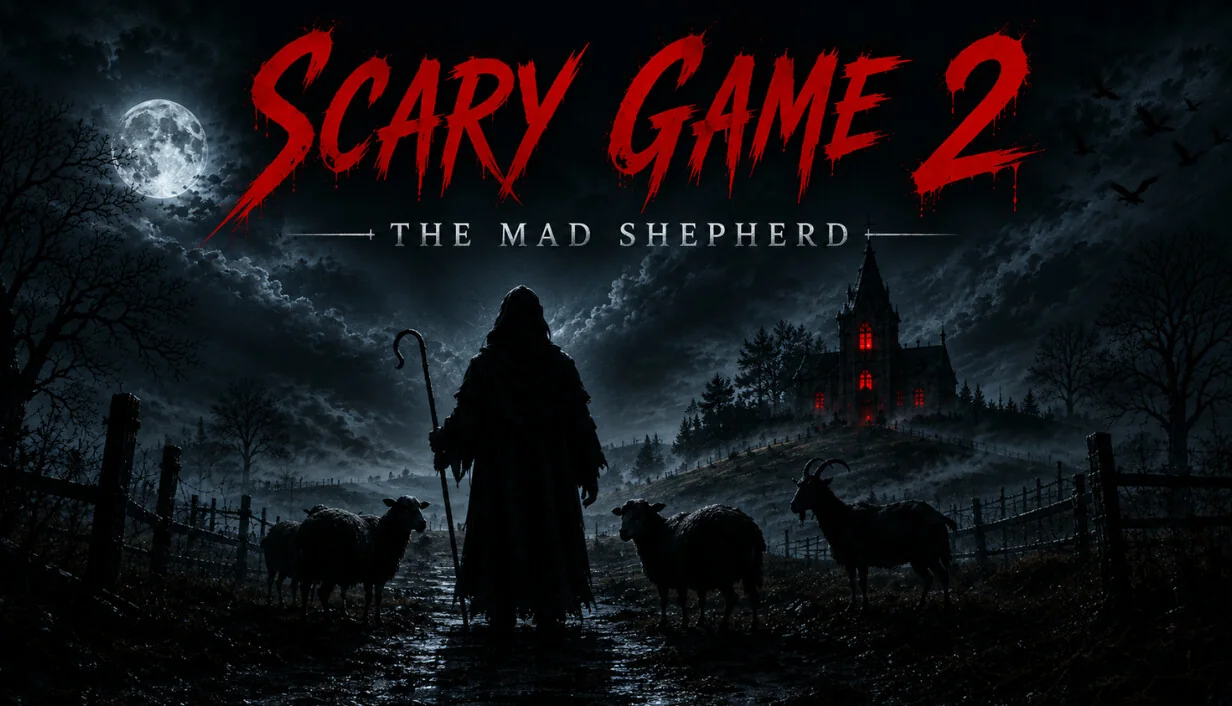
If you are deciding whether the game matches your taste, use the gameplay labels first and the broad Steam categories second.
The experience relies on atmosphere, uncertainty and disturbing situations more than sustained combat.
You move through dark spaces, inspect clues, interact with objects and work out how to progress.
First-person movement, observation and environmental interaction are more important than complex action systems.
The store description explicitly mixes fear with absurd and unsettling moments rather than promising pure realism.
Store genres are publishing categories. Player tags and gameplay descriptions answer a different question: what will you actually spend time doing?
| Label | Source or evidence | How well it fits |
|---|---|---|
| Action | Official Steam genre field | Broad fit. The page does not advertise weapons, combat depth or an action-heavy loop. |
| Adventure | Official Steam genre field | Strong fit because the game is a guided first-person journey through locations, clues and events. |
| Casual | Official Steam genre field | Describes accessibility and short-session potential better than the horror tone. |
| Indie | Official Steam genre field | Strong production-context label; KanGames is listed as both developer and publisher. |
| Free to Play | Official Steam genre field | A store classification, not a gameplay genre. Always check the current Steam price before acting. |
| Psychological Horror | Popular user tag and store presentation | Best tonal label: fear comes from atmosphere, uncertainty, imagery and anticipation. |
| Puzzle / Exploration | Store description and trailer | Best activity label: observe the environment, find clues, interact and unlock the next route. |
| Walking Simulator | Popular user tag | Useful shorthand for first-person exploration, but it understates the puzzle and threat elements. |
A game can carry several labels at once. Genre fields, community tags, camera perspective, tone and mechanics describe different layers of the same experience.
Scary Game 2 is not best understood as a combat game. The official description emphasizes exploring an eerie environment, observing carefully, interacting with objects and solving puzzles without relying on weapons.
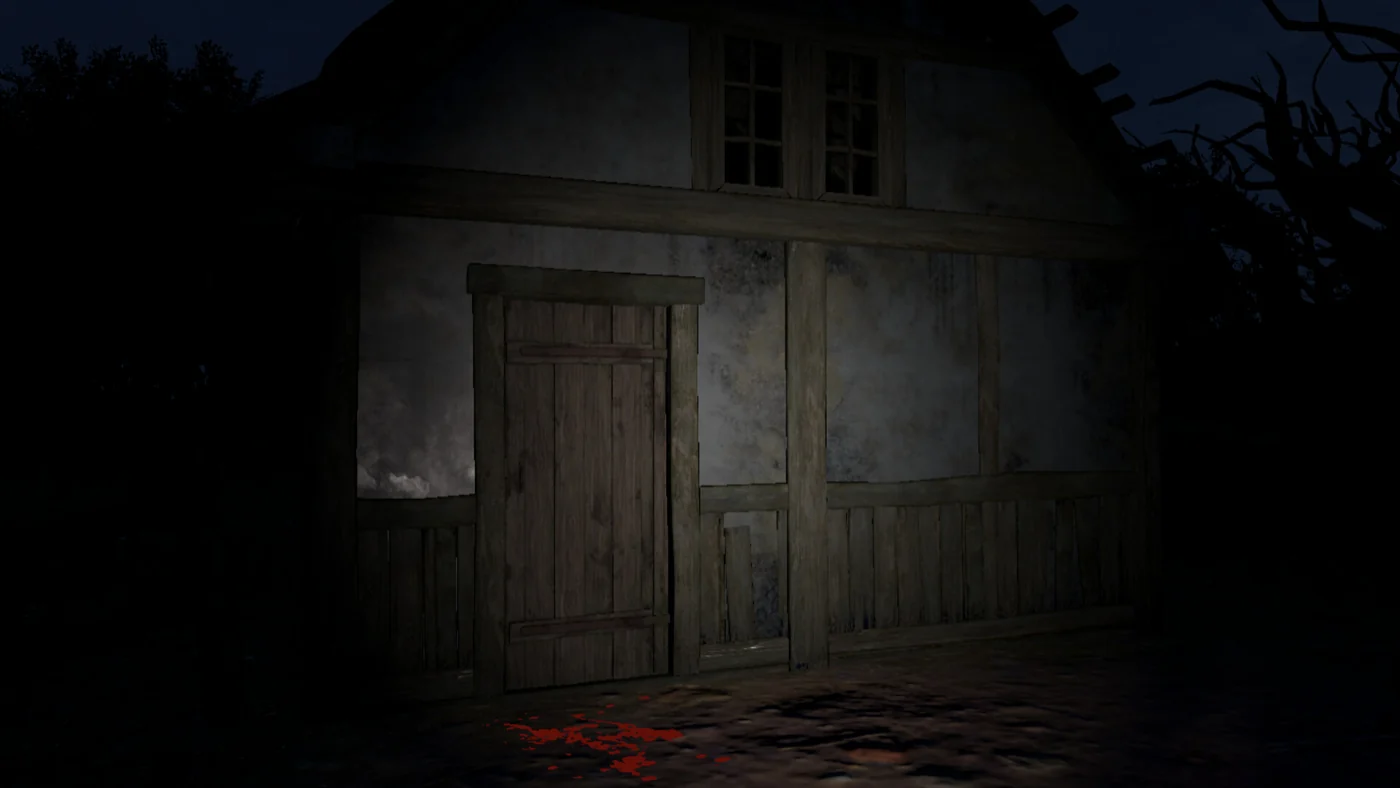
The camera places you inside the environment. Progress depends on checking rooms, paths, doors and visual details rather than managing a party or viewing an overhead map.
Locks, clues and interactable objects turn observation into progress. The puzzle layer is practical and location-based rather than a separate match-three or abstract puzzle mode.
Steam's own copy says you rely on your wits, not weapons. That pushes the game closer to vulnerability horror and away from survival shooters or action horror.
The game is structured as a compact experience. Story, mood and discovery matter more than loot tiers, builds, crafting trees or a long open world.
The horror is created through darkness, anticipation, strange imagery and a threatening shepherd figure. At the same time, the trailer includes deliberately odd visual beats, so the game does not remain solemn in every scene.
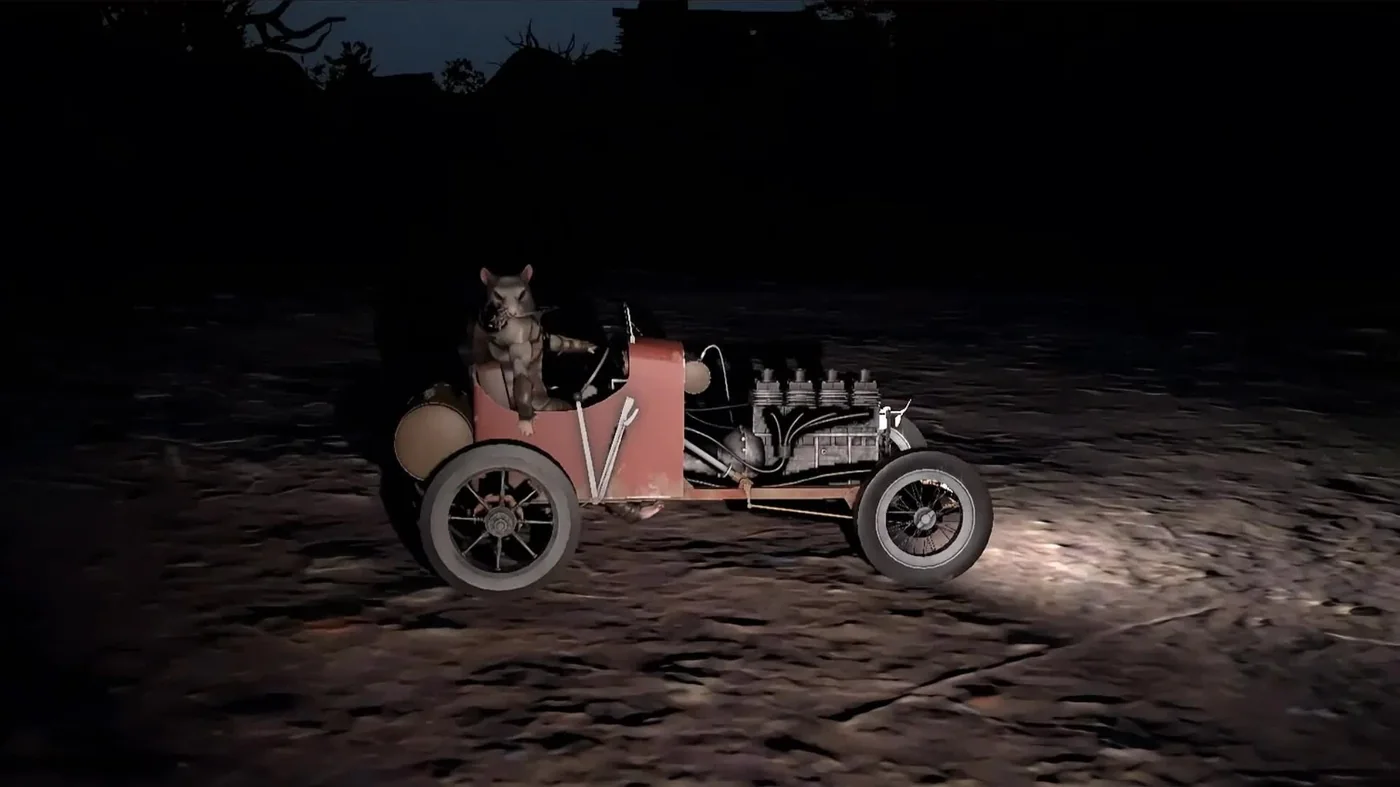
Uncertainty and atmosphere are the main pressure. The game wants you to wonder what is nearby and what an unusual clue means.
Unexpected absurdity interrupts the dread. That contrast can make the world feel stranger rather than turning it into a conventional comedy.
The Mad Shepherd premise and environmental clues encourage interpretation, but the experience remains a playable adventure rather than a passive film.
The genre label is most useful when it helps you decide what expectations to bring into the first session.
Choose it if you enjoy first-person exploration, uneasy environments, compact stories and puzzles that depend on noticing details.
You may enjoy the mood, but do not expect a weapon arsenal, deep combat upgrades or frequent enemy encounters.
Steam lists the game as single-player. The genre mix is a solo exploration experience, not co-op survival or a two-player horror challenge.
Dark environments, threatening imagery and jump-scare potential may matter more to sensitive players than the broad Casual store label suggests.
Genre explains the shape of the experience; these pages answer the next practical questions.
Follow the spoiler-light route when exploration order or progression becomes unclear.
Open walkthroughUse hints and troubleshooting for the environmental puzzle side of the game.
Open puzzle guideSee how the compact horror-adventure format changes completion-time estimates.
Check playtimeVerify single-player and PC availability before looking for unsupported versions.
Check platformsShort answers for genre, gameplay and expectation-setting searches.
The official store page is the primary source for genres, categories, description and media. Community tags are useful descriptions but can change over time.
Provides the official genre fields, single-player category, developer and publisher, store description, screenshots and trailer.
Open SteamShows how players classify the experience with labels such as Psychological Horror, Puzzle, Exploration and Walking Simulator.
View store tags