Scary Game 2 Wiki/Best Co-op Horror Games

Co-op horror comparison guide

Best Co-op Horror Games to Play With Friends

Scary Game 2: The Mad Shepherd is built as a solo horror adventure. If your real goal is voice-chat panic, shared objectives, and rescuing teammates, this guide compares six genuine co-op horror games by group size, pressure, learning curve, and session style.

Selection checked against official Steam listings on July 30, 2026. Player limits, features, prices, and early-access details can change, so verify the live store page before buying.

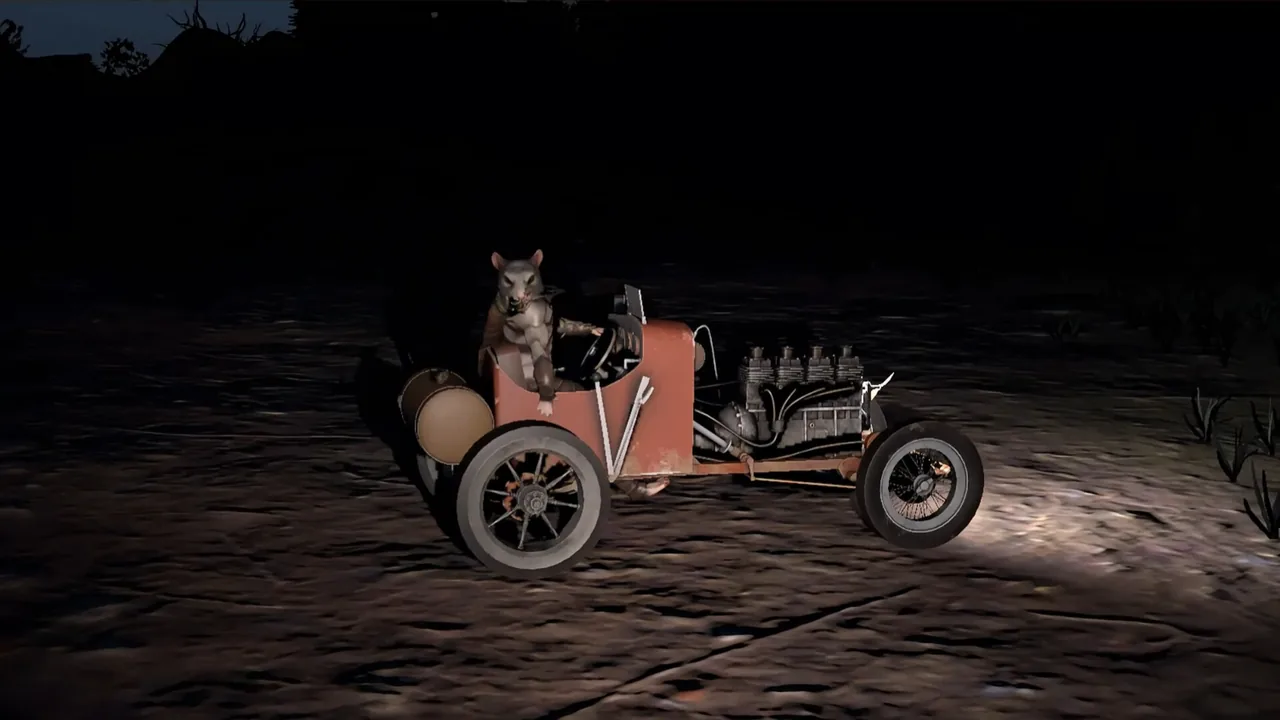
Official Scary Game 2 night gameplay scene used to contrast solo horror with co-op alternatives
Official Scary Game 2 media. The game is the solo starting point for this comparison, not one of the co-op recommendations.

Quick answer: which co-op horror game should you choose?

The best choice depends less on which game looks scariest and more on what your group wants to do together. Use these six routes before reading the detailed comparison.

Best investigationPhasmophobia

Choose it for evidence gathering, voice-driven tension, repeatable contracts, and a slower deduction loop.

Best physics chaosR.E.P.O.

Choose it when carrying valuable objects with friends should be as funny and dangerous as the monsters.

Best scavenging pressureLethal Company

Choose it for quota runs, risky expeditions, proximity chat, and stories created by bad team decisions.

Best intense campaignThe Outlast Trials

Choose it for polished objectives, stealth pressure, progression, and a more structured cooperative experience.

Best ritual defenseDEVOUR

Choose it for compact maps, escalating hunts, repeated attempts, and a simple objective that becomes difficult under pressure.

Best maze explorationEscape the Backrooms

Choose it for liminal environments, navigation, puzzle solving, and a longer sequence of strange levels.

Best co-op horror games comparison

This table separates the games by the decision points that matter during a real group session. It does not rank a solo story game against multiplayer titles as though they serve the same intent.

GameTeam styleCore loopPressure levelBest for
PhasmophobiaSmall investigation teamCollect evidence and identify a ghostSlow tension with sudden dangerGroups that enjoy deduction and communication
R.E.P.O.Flexible friend groupRecover valuables with physics toolsChaotic risk and monster interruptionsGroups that want comedy with real failure stakes
Lethal CompanySmall scavenging crewCollect scrap and meet a quotaTime, navigation, creatures, and greedFriends who enjoy emergent stories and voice chat
The Outlast TrialsSolo or cooperative teamComplete objectives while hiding and survivingHigh visual and pursuit intensityPlayers who want structured missions and progression
DEVOURCompact cooperative squadComplete ritual tasks while an enemy escalatesFast pursuit and repeated wipesGroups wanting short, focused challenge runs
Escape the BackroomsExploration teamNavigate levels, solve puzzles, avoid entitiesUneven tension across long explorationPlayers who like liminal spaces and route discovery

The table describes the normal purchase decision, not a permanent feature guarantee. Open the official listing for current categories, supported modes, system requirements, and accessibility details.

Six strong co-op horror picks and their tradeoffs

A good list should explain why a game fits a particular group and where it may frustrate that group. These recommendations prioritize clear cooperative interaction rather than using multiplayer as a loose marketing label.

1

Phasmophobia

Best for careful paranormal investigation

Your team enters a haunted location, gathers evidence, manages equipment, and tries to identify the ghost before the investigation collapses. The fear comes from uncertainty and communication: one player may watch sensors while another risks entering a dangerous room. It rewards groups that can share observations instead of sprinting toward every sound.

It can feel slow to players who want constant action, and new groups need time to understand evidence types and equipment roles.

Open official Steam page
2

R.E.P.O.

Best for physical comedy and recoverable disasters

R.E.P.O. turns object handling into the cooperative problem. Friends must move valuable objects through hostile spaces, and the physics system makes every doorway, staircase, and panicked retreat a possible catastrophe. The result is funny without removing danger: the team still has to decide what to carry, when to abandon it, and how much risk is acceptable.

Groups seeking a serious narrative may find the tone too chaotic, while public matchmaking can be less satisfying than playing with a regular voice-chat group.

Open official Steam page
3

Lethal Company

Best for improvised stories and bad team decisions

The quota gives every expedition a clear reason to take one more risk. Some players carry scrap, someone watches the ship, and everyone argues about whether a dangerous room is worth entering. Proximity voice chat and limited information make separation meaningful. Most memorable sessions are not scripted victories; they are chains of understandable mistakes.

Its presentation is intentionally rough and the loop can become repetitive if your group does not enjoy self-directed goals, experimentation, or mod-free repetition.

Open official Steam page
4

The Outlast Trials

Best for a more structured and intense co-op campaign

This is the strongest fit when your group wants recognizable mission objectives, stealth, pursuit, character progression, and production values closer to a full campaign. Cooperation is practical: distract threats, revive teammates, coordinate routes, and recover when a plan breaks. It can also be played solo, but the group experience changes how mistakes are managed.

Graphic content and sustained pursuit make it a poor choice for players who want light comedy, relaxed exploration, or a gentle introduction to horror.

Open official Steam page
5

DEVOUR

Best for short ritual runs with escalating pursuit

DEVOUR is easy to explain: search the map, prepare ritual objectives, and finish them while the main threat becomes more aggressive. That clarity helps a new group start quickly, while difficulty comes from coordination and the loss of control late in a run. It works well when your friends want a focused challenge rather than a long progression system.

Repeated failures can feel harsh, and players who dislike chase-heavy horror may prefer Phasmophobia's slower investigation rhythm.

Open official Steam page
6

Escape the Backrooms

Best for liminal exploration and route solving

Choose this when the Backrooms theme, strange spaces, navigation, and environmental puzzles matter more than a single repeatable contract. Cooperative play helps with observation and route memory, but it can also create confusion when the group separates. The broad level variety makes it a better fit for discovery-minded players than for teams seeking one perfectly balanced competitive loop.

The experience is longer and less consistently paced than a compact match-based game, so session planning and tolerance for maze-like exploration matter.

Open official Steam page
Check the official store presentation before choosing

These official Steam widgets provide a direct visual and store-context check for four leading options. They are included because the comparison is about real co-op products, not generated gameplay or decorative art.

Phasmophobia official Steam listing preview.
R.E.P.O. official Steam listing preview.
Lethal Company official Steam listing preview.
The Outlast Trials official Steam listing preview.

How to choose for your group instead of following one ranking

A numbered list cannot know whether your friends hate repetition, get motion sick, avoid graphic content, or only have one hour. Make the decision in this order.

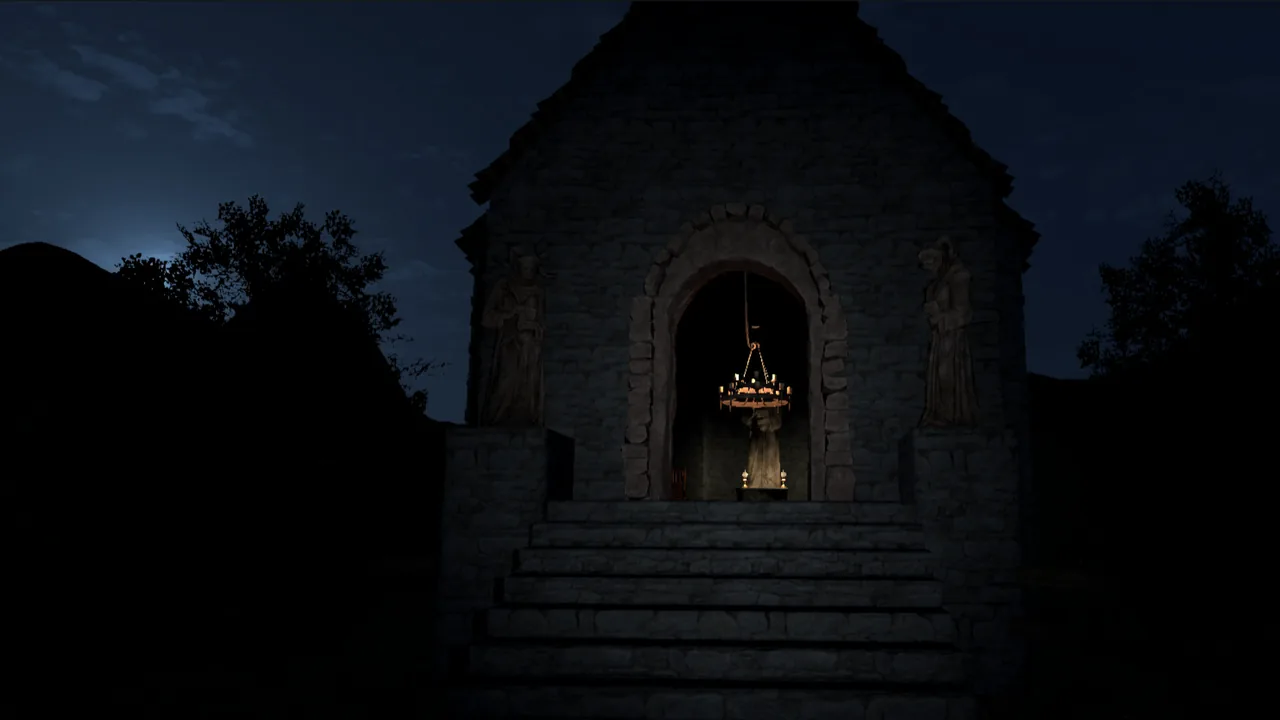
Official Scary Game 2 church scene illustrating atmospheric solo horror before choosing a cooperative alternative
Official Scary Game 2 media. Use it as a reminder that atmosphere and cooperative mechanics are separate purchase decisions.
1

Confirm that co-op is the real requirement

If everyone wants to experience one short story while sharing a screen or voice chat, a solo game may still work socially. If each person needs an active role, choose a title with explicit online cooperative support.

2

Match the group size and session length

Check the live store features, then decide whether the game still works when one friend is absent. Contract-based games are easier to schedule than a long campaign that expects the same group every week.

3

Choose the failure style

Phasmophobia punishes weak evidence work; Lethal Company punishes greed and separation; R.E.P.O. punishes object-handling mistakes; Outlast punishes failed stealth. Pick the kind of failure your group will laugh about rather than resent.

4

Check intensity and content boundaries

Discuss jump scares, gore, flashing effects, voice recognition, public matchmaking, and pursuit sequences before purchase. The most acclaimed game is still the wrong choice when one player cannot comfortably participate.

5

Verify the current official listing

Store categories, early-access scope, controller support, languages, prices, and system requirements can change. Use this guide to narrow the list, then use the official page for the final decision.

Make the first co-op horror session better

Small setup choices often matter more than difficulty settings. A group that can communicate and recover from mistakes will enjoy a wider range of games.

VOICE

Test voice chat first

Confirm microphones, push-to-talk, input devices, and in-game voice settings before the first dangerous objective. Proximity chat is part of the design in several recommendations.

ROLE

Give new players one clear role

Let a beginner carry one tool, watch one sensor, manage one route, or stay near an experienced teammate. Too many instructions at once turn tension into confusion.

TIME

Set a stopping time

Agree whether the group wants one contract, one successful run, or a fixed ninety-minute session. Horror fatigue and repeated wipes can change the mood quickly.

SAFE

Respect content limits

A cooperative game only works when everyone can participate. Lower volume, review accessibility options, skip graphic titles, or choose comedy-heavy tension when needed.

Scary Game 2 pages that clarify the comparison

Use the wiki pages below when your question is about The Mad Shepherd itself rather than the wider co-op horror category.

PC

Platform and multiplayer status

Verify why Scary Game 2 belongs on the solo side of this comparison.

Check platforms
GAME

Gameplay guide

Compare its exploration and puzzle loop with the cooperative mechanics above.

Read gameplay guide
TAG

Genre guide

Understand its psychological-horror, puzzle, exploration, and dark-comedy mix.

Check genres
MAP

Walkthrough

Use a spoiler-light route if you choose the solo game and become stuck.

Open walkthrough

Best co-op horror games FAQ

Short answers for two-player, beginner, Steam, and Scary Game 2 multiplayer questions.

What is the best co-op horror game for beginners?

R.E.P.O. or Lethal Company can be approachable when an experienced friend explains the basic objective, while Phasmophobia suits beginners who prefer slower observation. The best starting point depends on whether the group enjoys chaos, deduction, or pursuit.

Which co-op horror game is best for two players?

Phasmophobia and DEVOUR can work well for a coordinated pair, while The Outlast Trials offers more structured objectives. Check the current official store modes because balance and supported features can change.

Is Scary Game 2: The Mad Shepherd multiplayer?

Treat it as a solo horror adventure and verify the live Steam feature list before purchase. The dedicated platforms page explains the evidence and separates this game from generic two-player horror searches.

What co-op horror game is funniest with friends?

R.E.P.O. and Lethal Company create comedy through physics, voice chat, greed, separation, and failed plans. They still contain danger, so the humor comes from player decisions rather than removing the horror loop.

Do these games support public matchmaking?

Matchmaking and lobby behavior differ by title and can change during updates. A private group usually gives the most predictable first experience; confirm current online features on each official store page.

Are co-op horror games still scary with friends?

Usually yes, but the fear changes. Communication can reduce isolation while responsibility, separation, limited information, and the risk of failing teammates create a different kind of pressure.

Official sources and selection limits

Official store pages are used for product identity and live feature checks. This editorial comparison does not guarantee prices, player limits, update state, or compatibility after the check date.

Scary Game 2 official Steam page

Confirms the game identity and provides the live feature list used to separate the solo title from co-op alternatives.

Open Steam

Official Steam pages for recommendations

Each recommendation links directly to its own Steam listing for current modes, media, requirements, languages, reviews, and purchase details.

Start with Phasmophobia